
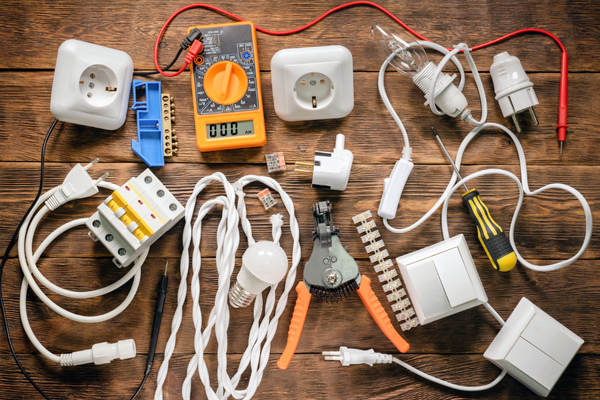
A home’s electrical wiring is like its central nervous system. It is a complex network hidden behind walls, but it is vital for almost everything that makes a house a home. From lighting up a room to powering the kitchen appliances, this system works silently in the background. Many homeowners feel a sense of fear around electrical work. This feeling often leads to two outcomes. People either call a professional for a very simple fix, or they attempt a repair that is unsafe.
This guide gives you the knowledge to understand your home’s wiring. It will help you learn how to perform basic tasks safely. It will also help you see when a project needs the skill of a professional electrician. For residents in Garfield Heights, OH, having this foundational knowledge can make a big difference in managing your home safely. The team at Atomic Electric & Generators Inc. believes an informed homeowner is a safe homeowner.
Understanding the Wires: A Guide to Types and Colors
The first step in any electrical wiring project is to know what you are looking at. The plastic sheathing of a cable contains multiple smaller wires, each with a specific job. Using the correct wire type for the job is critical for a safe and lasting electrical wiring installation.
Common Types of Residential Wires
- NM (Non-Metallic) Cable: This is the most common type of wire found inside modern homes. You will find it running through walls and ceilings to power outlets and light fixtures. The name “non-metallic” comes from its flexible plastic sheathing, which is usually white or yellow. Inside this sheathing are at least three wires: a hot wire, a neutral wire, and a ground wire. The sheathing protects the individual wires from damage.
- UF (Underground Feeder) Cable: When you need to run power outdoors, UF cable is the correct choice. Its sheathing is a solid gray plastic that is much tougher than NM cable’s sheathing. This solid construction makes it resistant to water and sun damage. It can be buried directly in the ground without a protective tube, called a conduit. UF cable is perfect for projects like landscape lighting, powering a water feature, or running electricity to a detached garage or shed.
- THHN/THWN Wire: Unlike NM and UF cables that bundle wires together, THHN and THWN wires are individual conductors. Each wire is insulated and is designed to be pulled through a protective pipe, or conduit. You will often see conduit in unfinished areas like basements, garages, or on the outside of a house. Conduit provides physical protection for the wires. THHN and THWN are very similar, with the “W” in THWN indicating that it is also rated for wet locations.
Table of Contents
Decoding the Colors
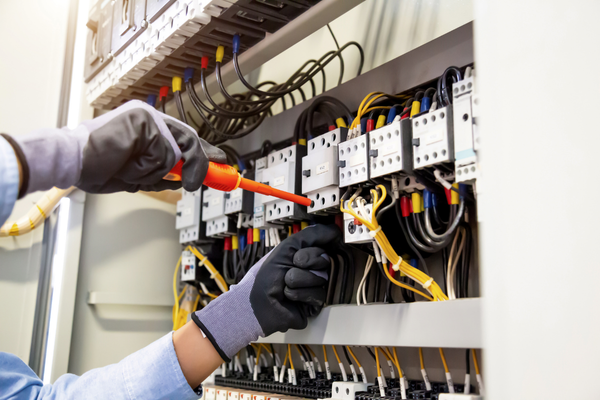
Wire colors are not for decoration. They are a code that tells every electrician the function of each wire. Understanding this code is essential for your safety.
- Black/Red (Hot): These wires carry the live electrical current from the breaker panel to the device. Think of them as the “on” switch in the circuit. Touching a hot wire when the power is on can cause a severe electrical shock. Red wires are often used as a secondary hot wire, such as in a ceiling fan with a separate light, or in three-way switch situations.
- White (Neutral): The neutral wire’s job is to complete the electrical circuit. It carries the current back to the breaker panel after it has passed through the device. While it is called “neutral,” it can still carry current and should be handled with care.
- Bare Copper/Green (Ground): The ground wire is a safety feature. It normally does not carry any electricity. If there is a short circuit or a fault, the ground wire provides a safe path for the electricity to flow to the ground. This action trips the circuit breaker, shutting off the power and preventing electrical shock and fires.
Wire Gauge and Ampacity
You may have seen numbers like “14-2” or “12-2” on electrical cables. The first number refers to the wire gauge, or thickness. It is a little confusing, but a smaller gauge number means a thicker wire. A thicker wire can carry more electrical current safely. The amount of current a wire can carry is called its ampacity. A 12-gauge wire can handle more amps than a 14-gauge wire. Using a wire that is too small for the circuit’s amperage is a serious fire hazard. The second number, “2,” tells you how many insulated conductors are in the cable, not counting the bare ground wire.
Safety First: The Golden Rules of Electrical Work
Electricity is a powerful force that must be respected. Before you even think about starting a project, you must commit to a safety-first mindset. These rules are not optional.
- Rule #1: Always Turn Off the Power. Before you touch any wire or device, you must go to your home’s main electrical panel. Find the circuit breaker that controls the area where you will be working and switch it to the “OFF” position. A good practice is to leave a note or a tag on the breaker so that nobody turns it back on by accident while you are working.
- Rule #2: Test, and Test Again. After you turn off the breaker, you must confirm that the power is truly off. The best way to do this is with a non-contact voltage tester. This simple tool beeps or lights up when it is near a live wire. Hold the tip of the tester next to the wires you plan to work on. Only when the tester gives no signal is it safe to proceed. Test it on a known live outlet first to make sure the tester is working.
- Rule #3: Use the Right Tools. Working on electrical systems requires specific tools designed for the job. Use screwdrivers and pliers that have insulated handles. These handles add a layer of protection. A good pair of wire strippers will remove the plastic insulation from a wire without damaging the copper underneath. Damaged copper can create a weak spot in the circuit.
- Rule #4: Understand Your Limits. Knowing how to do a simple electrical wiring repair is a great skill. It is just as important to know when a job is too big to handle. Tasks like upgrading your electrical panel, adding a new circuit, or rewiring a whole room should always be left to a licensed professional. A mistake on a large project can be very dangerous. The experts at Atomic Electric & Generators Inc. have offered electrical wiring services garfield heights residents have trusted for many years.
Smart Upgrades: Enhancing Safety and Convenience
Beyond repairs, some simple upgrades can make your home safer and more modern. Many of these projects are perfect for a homeowner with a basic understanding of wiring.
- GFCI Outlets: A Ground Fault Circuit Interrupter is a special kind of outlet. It monitors the flow of electricity. If it detects even a tiny imbalance, it shuts off the power in a fraction of a second. This quick action can prevent a serious electrical shock. That is why GFCIs are required in areas with water, like kitchens, bathrooms, laundry rooms, and garages. You can test a GFCI outlet by pressing the “TEST” button, which should make a clicking sound as the “RESET” button pops out.
- AFCI Breakers/Outlets: An Arc-Fault Circuit Interrupter is another important safety device. It is designed to prevent fires. An AFCI detects dangerous electrical arcs, which are sparks that can happen when a wire is damaged, frayed, or loose. These arcs can ignite surrounding materials like wood or insulation. AFCIs are so effective that they are now required in many areas of the home, including bedrooms and living rooms.
- Installing a Dimmer Switch: One of the easiest ways to change the mood of a room is to install a dimmer switch. This upgrade allows you to adjust the brightness of your lights. It can help save energy and extend the life of your light bulbs. Swapping a standard switch for a dimmer is a great first project for a beginner.
- USB Outlets: In our modern world, we have many devices that charge with a USB cable. Replacing a standard outlet with one that includes built-in USB ports is a great convenience. It gets rid of the need for bulky adapters and frees up the regular plugs for other uses.
For more information on improving your home’s electrical system, you can discover our full range of electrical services.

Common Fixes:
With the right knowledge and a strong focus on safety, you can confidently handle some common electrical issues. Always remember to turn off the power and test for voltage before you start.
How to Replace a Faulty Light Switch
- Tools Needed: Insulated screwdrivers, non-contact voltage tester, needle-nose pliers, new light switch.
- Step-by-Step Instructions:
- Go to your electrical panel and turn off the power to the switch.
- Confirm the power is off with your voltage tester.
- Unscrew and remove the switch’s faceplate.
- Unscrew the screws holding the switch in the electrical box.
- Gently pull the switch out. You will typically see two or three wires connected. Take a picture with your phone so you remember where they go.
- Loosen the terminal screws and unhook the wires.
- Connect the wires to the new switch. Usually, the two black wires go to the brass-colored screws and the bare copper wire goes to the green screw.
- Carefully push the new switch back into the box, secure it with its screws, and re-attach the faceplate.
- Turn the power back on and test your work.
How to Replace an Old Electrical Outlet
- Tools Needed: Insulated screwdrivers, non-contact voltage tester, wire strippers, new electrical outlet.
- Step-by-Step Instructions:
- Shut off the power at the circuit breaker.
- Use your tester to make sure there is no power at the electrical outlet wiring.
- Remove the faceplate.
- Unscrew the outlet from the box and carefully pull it out.
- Take a picture of the wiring. The black wire should be on the brass screw, the white wire on the silver screw, and the bare copper on the green screw.
- Disconnect the wires from the old outlet.
- Connect the wires to the new outlet in the same way. Make sure the connections are tight.
- Push the outlet back into the box, screw it in, and put the faceplate back on.
- Restore power and test the outlet. For complex tasks like electric panel changes and upgrades, it is always best to contact a professional like Atomic Electric & Generators Inc.
Troubleshooting a Dead Outlet
If an outlet suddenly stops working, here are a few things to check before calling for help.
- Check the Breaker: Go to the panel and see if a breaker has tripped. If it has, switch it firmly back to the “ON” position.
- Test the GFCI: If the dead outlet is in a kitchen, bathroom, or garage, it might be connected to a GFCI outlet that has tripped. Look for a nearby GFCI outlet and press the “RESET” button.
- Look for Loose Connections: If you are comfortable, turn off the power and check if the wires on the dead outlet are securely connected. A loose wire is a common cause of failure.
Conclusion:
Understanding the fundamentals of your home’s electrical system is a valuable skill. Knowing the different types of wires, putting safety first, and learning how to perform simple fixes can save you time and give you a sense of accomplishment. The satisfaction of a successful DIY project is a great feeling.
Always respect the power of electricity. Start with small, simple projects to build your confidence. For any job that feels too big or too complicated, do not hesitate to call a professional. The safety of your home and family is what matters most. The team at Atomic Electric & Generators Inc. is always ready to help. If you live in the Garfield Heights area and need expert electrical help, get in touch with our expert team today. Your safety is the primary concern for everyone at Atomic Electric & Generators Inc.