
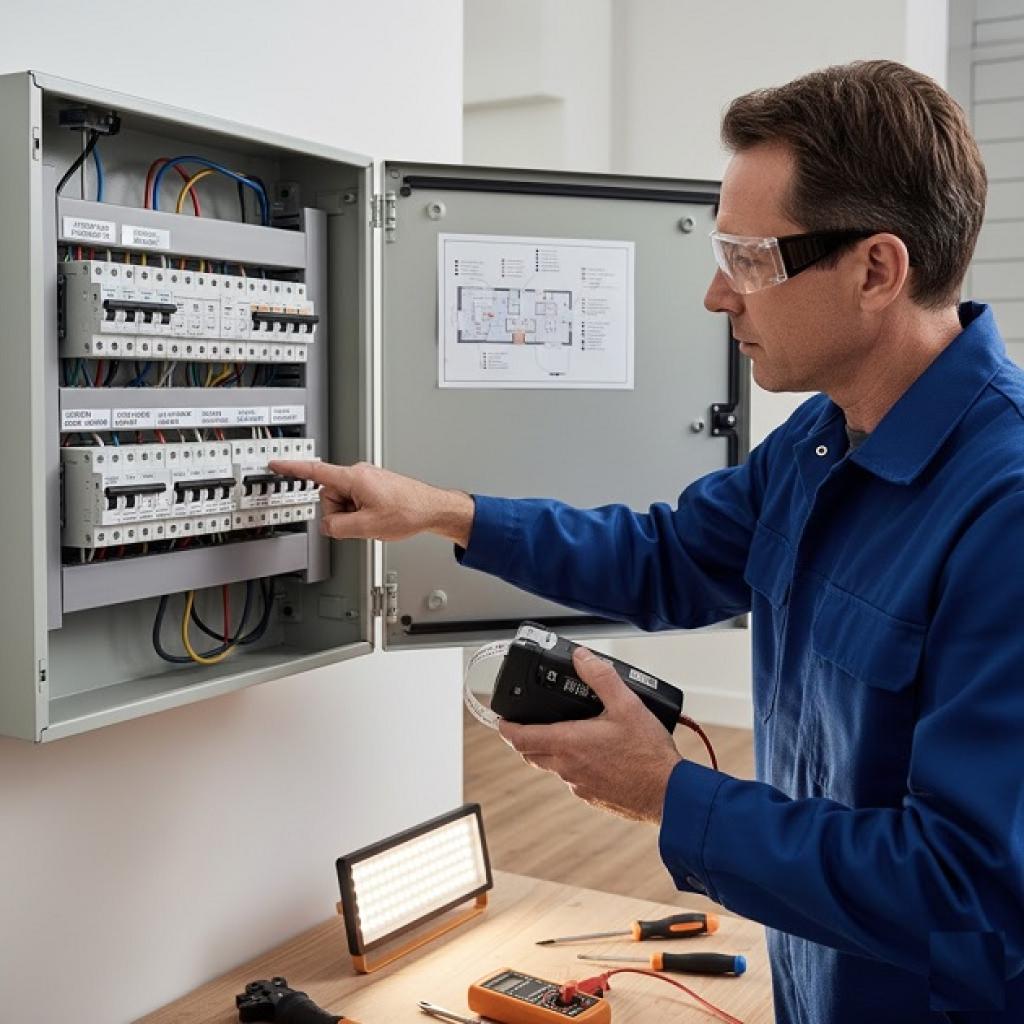
Electrical panel labeling might not sound exciting, but it can make the difference between quick, safe troubleshooting and a stressful emergency. When every breaker is clearly and accurately marked, you (and your electrician) can cut power where you need it, avoid damage to equipment, and reduce the risk of shock or fire. In this guide, Atomic Electric & Generators Inc. walks you through why electrical panel labeling matters, best practices to follow, and when it’s smart to bring in a pro.
What Is Electrical Panel Labeling?
Electrical panel labeling is the process of clearly marking which breaker controls which part of your home or which appliance. Each switch in the breaker box should have a matching description on the panel schedule, like:
- “Kitchen counter outlets”
- “Master bedroom lights”
- “Furnace”
- “Garage door opener”
Good labeling makes your electrical system easier and safer to use. Poor or missing labels turn your panel into a guessing game—one that can end with spoiled food, damaged electronics, or someone working on a live circuit by mistake.
Why Proper Labeling Really Matters
Clear electrical panel labeling isn’t just about convenience. It affects safety, comfort, and even your wallet.
1. Faster troubleshooting
When a light goes out or an outlet stops working, you can quickly find the right breaker instead of flipping random switches and hoping for the best.
2. Safer repairs and upgrades
Anytime someone works on your wiring—whether it’s you plugging in a new appliance or a licensed electrician adding a circuit—they need to know exactly which breaker controls that circuit. Guessing is dangerous.
3. Better protection in emergencies
If you smell burning, see sparks, or have an electrical emergency, you can quickly shut off power to the affected area without cutting power to the entire home.
4. Fewer nuisance shutdowns
Accurate labels help you avoid turning off the wrong breaker and resetting clocks, computers, and appliances for no reason.
What the Safety Experts Say
Electrical safety organizations stress the importance of knowing how your home’s electrical system is laid out and how your panel is organized. For example, the Electrical Safety Foundation International (ESFI) provides resources to help homeowners understand their service panel and identify hazards.
You don’t need to memorize codes and standards, but you do need:
- A panel that is clearly and permanently labeled
- Breakers that match the actual layout of your home
- A system that’s easy to understand for anyone who may need to shut off power
For deeper background on home electrical systems and safety, you can check resources like the ESFI’s “Your Home Electrical System” page:
Electrical Panel Labeling Best Practices
If you’re updating or checking your labels, use these best practices as a checklist.
1. Use plain, everyday language
Skip technical jargon and abbreviations only you understand. Good labels sound like this:
- “Kitchen lights”
- “Living room outlets – south wall”
- “Dishwasher”
- “Basement laundry”
If someone else can’t understand the label at a glance, rewrite it.
2. Be as specific as practical
“Outlets” is vague. “Kitchen counter outlets by sink” is helpful.
Try to include:
- Room name
- Type of device (lights, outlets, furnace, A/C, etc.)
- Area if there are multiple circuits in one room (e.g., “Master bedroom outlets – east wall”)
3. Match the real-world layout
Labels should reflect how your home is actually used now, not how it might have been wired 20 years ago.
If you’ve remodeled, finished a basement, or added a room, it’s very common for old labels to be wrong. Part of best-practice labeling is testing each circuit and updating the descriptions so they match today’s layout.
4. Use durable, legible materials
Avoid faded pencil or smudged pen. Instead:
- Use permanent marker or a label printer
- Write on the panel directory card or a neatly printed sheet kept inside the panel door
- Make sure the writing is large enough to read in low light
Labels should still be readable years from now.
5. One circuit per line
Don’t cram multiple circuits onto one line just to save space. Give each breaker its own line and description. If the directory is too cluttered, replace it with a fresh, organized one.
6. Note special circuits and equipment
Highlight or clearly mark:
- GFCI or AFCI-protected circuits
- Dedicated circuits for big appliances (A/C, electric range, water heater)
- Generators, transfer switches, EV chargers, or solar equipment
This is especially important if you have backup power or a more complex setup.
7. Date your changes
Any time you update the labeling, write a small note like:
“Panel relabeled – June 2025”
This helps future electricians (and homeowners) understand which set of labels is the most accurate.
How a Pro Relabels Your Panel
You can do basic labeling yourself, but many homeowners prefer to have a licensed electrician handle it—especially if there’s any confusion about what’s on a circuit.
Here’s how Atomic Electric & Generators Inc. typically approaches professional panel labeling:
- Visual inspection
We open the panel, check for obvious issues (overheating, double-tapped breakers, corrosion), and review any existing labels. - Circuit-by-circuit testing
We methodically turn breakers off and on while checking which lights, outlets, and appliances respond. This may involve someone inside the home while we work at the panel. - Update or create a fresh directory
As we map circuits, we write clear, consistent descriptions. If the old directory is a mess, we replace it. - Identify problem areas
During this process, we may find overloaded circuits, outdated wiring, or signs you might benefit from an electrical panel upgrade—for example, if you’ve added large loads like EV chargers, hot tubs, or new HVAC equipment. - Review with you
Before we leave, we walk you through the new labeling so you know exactly what’s what.
Signs Your Panel Labels Need Attention
If any of these sound familiar, your panel probably needs relabeling—or at least a professional review:
- Breakers with no labels at all
- Labels like “misc,” “plugs,” or “spare” everywhere
- Handwritten notes scratched out and rewritten multiple times
- Breakers that don’t seem to control what the label says
- You flip multiple breakers every time something trips, just to find the right one
Clear labeling is a small job compared to rewiring or panel replacement, but it has a big impact on safety and peace of mind.
Labeling vs. Upgrading: When It’s More Than a Label Issue
Sometimes, labeling reveals bigger issues:
- You’re out of breaker spaces, but still need new circuits
- There are multiple wires (double taps) under a breaker that’s not designed for it
- The panel is an older model known for safety concerns
- You’ve recently added high-demand equipment (EV charger, hot tub, new HVAC)
In those cases, labeling alone isn’t enough. You might need a service or panel upgrade—something our team at Atomic Electric & Generators Inc. handles regularly. When we relabel a panel, we’re also looking at the bigger picture: does your panel safely support how you use power today?
If you’re considering an upgrade, check out our internal resource on electrical panel upgrade services for more details on capacity, safety, and long-term value.
Why Homeowners Choose Atomic Electric & Generators Inc.
When it comes to your electric panel, you don’t want guesswork. You want:
- Accurate, permanent labeling
- Code-compliant wiring and breakers
- Honest advice on whether you need a simple cleanup, repairs, or a full upgrade
- Expertise with generators and backup power, so your labels make sense even when you’re running on generator power
At Atomic Electric & Generators Inc., we combine careful diagnostics with clear communication. Whether we’re relabeling your existing panel, upgrading your service, or installing a whole-home generator, our goal is simple: make your electrical system safer, easier to use, and ready for the future.
If your panel directory looks like a puzzle—or worse, a blank card—this is the right time to fix it.
Ready to Get Your Panel Under Control?
Don’t wait for an emergency to find out your panel labels are wrong or missing. Schedule a panel inspection and labeling service with Atomic Electric & Generators Inc. and get:
- A clearly labeled panel
- Better peace of mind
- A professional opinion on whether your system is truly up to the job
We’re here to help you understand your electrical system—not just live with it.